
Small fixes,
one visit.
Dental bonding is a fast, minimally invasive way to correct minor imperfections — chips, gaps, and stains — with a tooth-colored resin that blends right in. Often done in a single visit by a UCLA-trained dentist.
- UCLA-trained dental surgeon
- Implants placed & restored in-house
- Most insurance accepted
- Monthly payment plans
- Se habla español
- Award-winning · West LA Dental Society
A simple way to repair and reshape teeth.
Dental bonding uses a tooth-colored resin — a putty-like material matched to your enamel — applied directly to the tooth, then shaped, sculpted, and polished to blend with your natural smile. This minimally invasive treatment can correct a range of imperfections, from small chips and cracks to gaps, stains, and misshapen teeth — often in just one visit.
What dental bonding does for you.
Repairs minor imperfections
Fixes small chips, cracks, gaps, and discoloration, with each tooth shaped to match your smile.
Natural-looking results
The tooth-colored resin is matched to your enamel, so it blends in and looks like your own tooth.
Minimally invasive
No extensive drilling and usually no anesthesia — most bonding is comfortable and finished in a single visit.
When dental bonding can help.
Chipped or cracked teeth
The resin restores the shape and strength of a damaged tooth, making it look whole again.
Discolored teeth
Bonding covers stains and discoloration, giving you a noticeably brighter tooth.
Gaps between teeth
Bonding can close small gaps, creating a more even, balanced smile.
Misshapen teeth
Adding resin to an irregularly shaped tooth improves symmetry and overall appearance.
From consultation to a finished smile.
Consultation
We review your teeth and talk through what you’d like to change — including insurance and monthly payment plans.
Minimally invasive application
Dr. Bradley applies the resin with little to no tooth preparation, preserving your natural enamel.
Precise shaping
The tooth-colored resin is carefully sculpted to enhance the tooth, gently reshaping enamel only if needed.
Polish & finish
We polish the tooth to a smooth, natural finish that blends seamlessly with the rest of your smile.
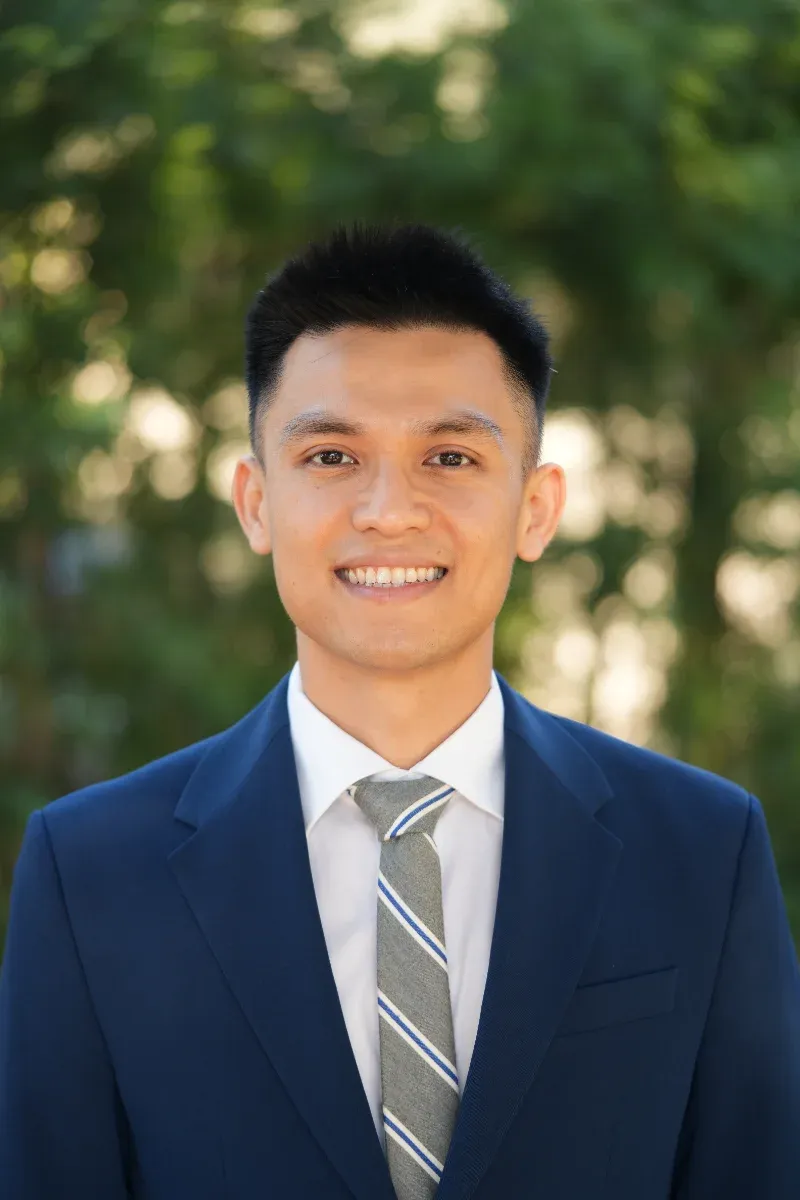
Planned and performed in one place.
Dr. Bradley is a UCLA-trained, surgically-proficient dentist who plans, places, and restores your treatment himself — so the dentist who knows your mouth is the one doing the work, start to finish.
Surgically trained dentist
Four UCLA degrees and a decade of education and training, plus advanced surgical and implant fellowships and a faculty appointment at the UCLA School of Dentistry.
Everything under one roof
Surgery, implants, and restorations handled in-house — no being referred across town.
Affordable, explained up front
Most major insurance accepted and monthly payment plans available, reviewed with you up front.
Trusted by Huntington Park families
“Dr. Bradley really cares for your teeth — his philosophy is to keep as much of the natural tooth as possible. He explained everything clearly, calmed my nerves, and did the procedure perfectly.”
“The best dentist in town. They really helped me with my fillings — completely pain-free — and made me feel at home through the whole process. Highly recommend.”
“My oral health has improved a lot with Dr. Bradley. He listens to my concerns and explains exactly what he’s doing and why — he even shows me the X-rays. He handles my cleanings and put on my adult braces himself, and the whole team is stellar.”
Dental bonding questions, answered.
How long does dental bonding last?
With good care, bonding typically lasts 5 to 10 years before it needs a touch-up or replacement. Daily brushing and flossing, regular checkups, and easing up on hard or staining foods all help it last longer.
What’s the difference between veneers and dental bonding?
Bonding uses a tooth-colored resin sculpted directly onto the tooth in one visit, while veneers are thin custom shells made in a lab and permanently bonded to the front of your teeth. Veneers tend to last longer and resist stains better, while bonding is faster and preserves more of your natural tooth. Dr. Bradley will compare both options with you and recommend the right fit for your smile.
Do stains affect dental bonding?
Because the resin isn’t natural enamel, it can pick up stains over time from coffee, tea, red wine, and tobacco more readily than your own teeth. Good oral hygiene and limiting staining foods and drinks help keep it bright, and the resin can be polished or refreshed as needed.
Is dental bonding covered by insurance?
Coverage depends on whether bonding is done for cosmetic or restorative reasons. We accept most major dental plans and offer monthly payment plans — we’ll verify your benefits and review your options at your appointment, with no surprises.
Reviewed by Dr. Bradley Salvatore, DDS · Updated July 1, 2026
Explore related care.
Teeth Whitening
Professional whitening uses a dentist-strength gel — far stronger than store-bought strips — to break up the stains that coffee, tea, wine, tobacco, and time leave behind. In the office, a special light speeds the gel along so your teeth lighten in one appointment; at home, custom trays let you brighten on your own schedule. Either way, a dentist guides the process so it stays safe and comfortable.
Explore →Veneers
Dental veneers are thin, custom-made shells crafted from tooth-colored materials. They cover the front surface of your teeth to enhance their color, shape, size, or length — a straightforward way to a more even, confident smile.
Explore →Gum Contouring
Gum contouring — also called gum reshaping or tissue sculpting — evens out your smile by reshaping the gum line. It can correct a “gummy smile” or an uneven gum line, either by removing excess gum tissue or restoring receded gums, so it serves both cosmetic and functional purposes. We use precise laser technology for a comfortable visit, and the results are typically permanent.
Explore →
Refresh your smile in one visit.
Most major insurance accepted · monthly payment plans available.
We’re closed right now — book online in seconds and we’ll confirm your appointment.