
Surgery, handled
in-house.
Wisdom teeth, difficult extractions, and bone grafting — done right here by a surgically trained dentist, not referred across town. Comfortable, careful, and explained before we begin.
- UCLA-trained dental surgeon
- Implants placed & restored in-house
- Most insurance accepted
- Monthly payment plans
- Se habla español
- Award-winning · West LA Dental Society
Most general offices send surgery out. Dr. Bradley trained specifically for it — so the dentist who knows your mouth is the one doing the work, and planning what comes next.
Care that goes below the surface.
Oral surgery covers the procedures that treat the teeth, gums, and jawbone beyond a routine filling or cleaning — most often removing wisdom teeth or a tooth too damaged to save, and rebuilding bone with grafting. It also includes a sinus lift, which adds bone to the upper jaw so an implant has something solid to anchor to. Each one is a planned, controlled procedure done with local anesthesia — and sedation when you’d prefer it — so the area is fully numb and you stay comfortable from start to finish.
From wisdom teeth to grafting.
Wisdom teeth
Removal of impacted or crowded wisdom teeth — including the tricky ones — with your comfort first.
Difficult extractions
Broken-down or stubborn teeth removed cleanly, with the site preserved for a future implant when it makes sense.
Bone & sinus grafting
Rebuilding bone after a loss or in preparation for an implant — including sinus grafting in the upper jaw.
Signs surgery could be the answer.
Impacted wisdom teeth
Wisdom teeth with no room to come in stay stuck below the gum — your third molars — causing pain, swelling, or pressure at the back of the mouth.
A tooth too damaged to save
A tooth that’s badly broken down, cracked below the gumline, or beyond a root canal often needs a surgical extraction rather than a routine one.
Ongoing pain, swelling, or infection
Persistent ache, a swollen gum, or a tooth that won’t settle can point to a problem that surgery resolves at the source.
Preparing for a dental implant
Replacing a missing tooth may call for grafting — rebuilding lost bone — or preserving the socket at the time a tooth is removed.
Bone loss in the jaw
Bone that has thinned after tooth loss or gum disease can be rebuilt with a graft or sinus lift so future teeth have solid support.
Surgery, made straightforward.
Consultation & scan
We image the area, explain exactly what’s needed, and review comfort options — plus insurance and payment plans.
Your procedure
Dr. Bradley performs the surgery here, focused on a calm, comfortable experience from start to finish.
Healing & next steps
We guide your recovery and, when you’re ready, plan any implant or restoration to replace what was removed.
From problem tooth to healthy smile.
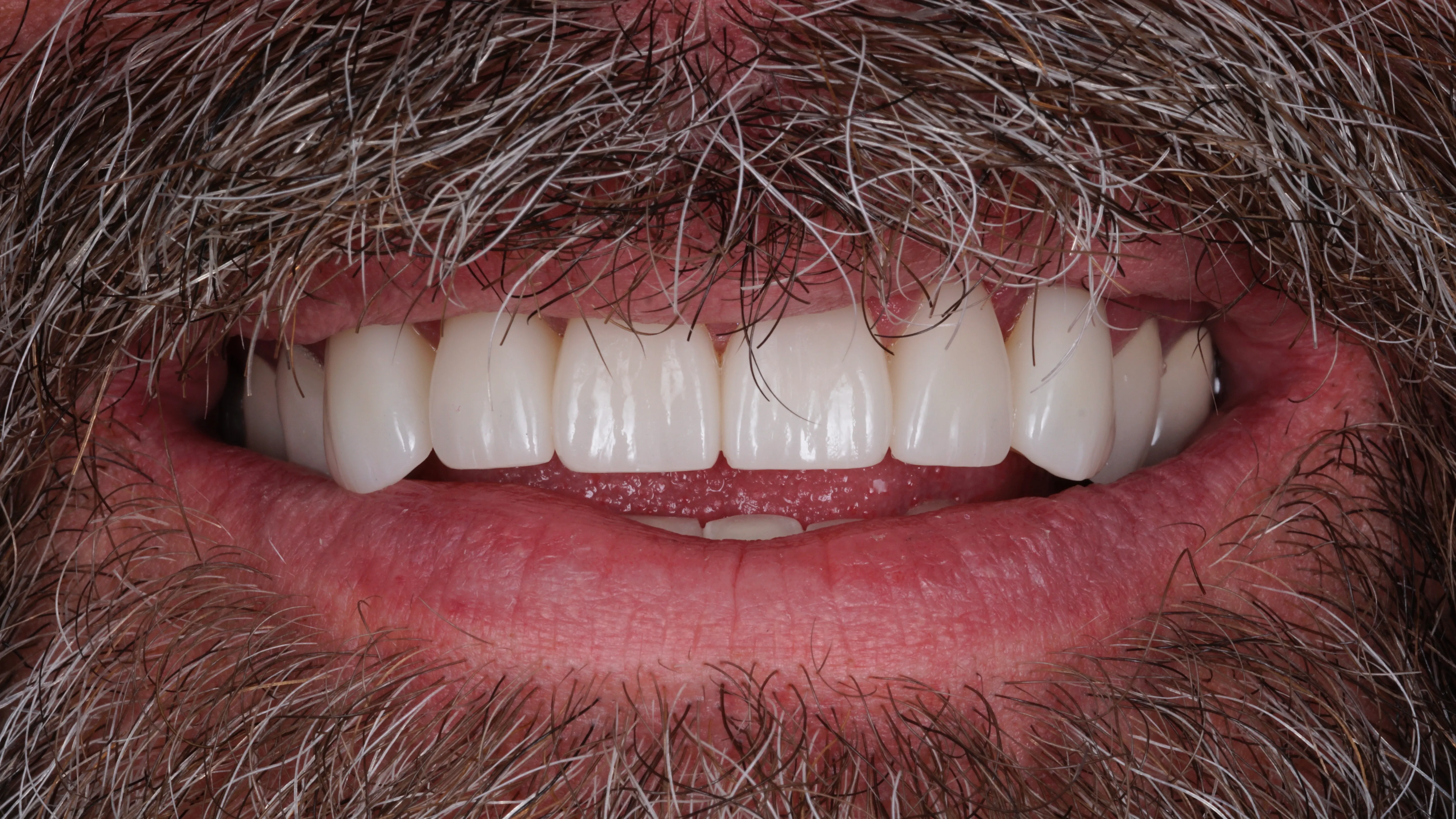
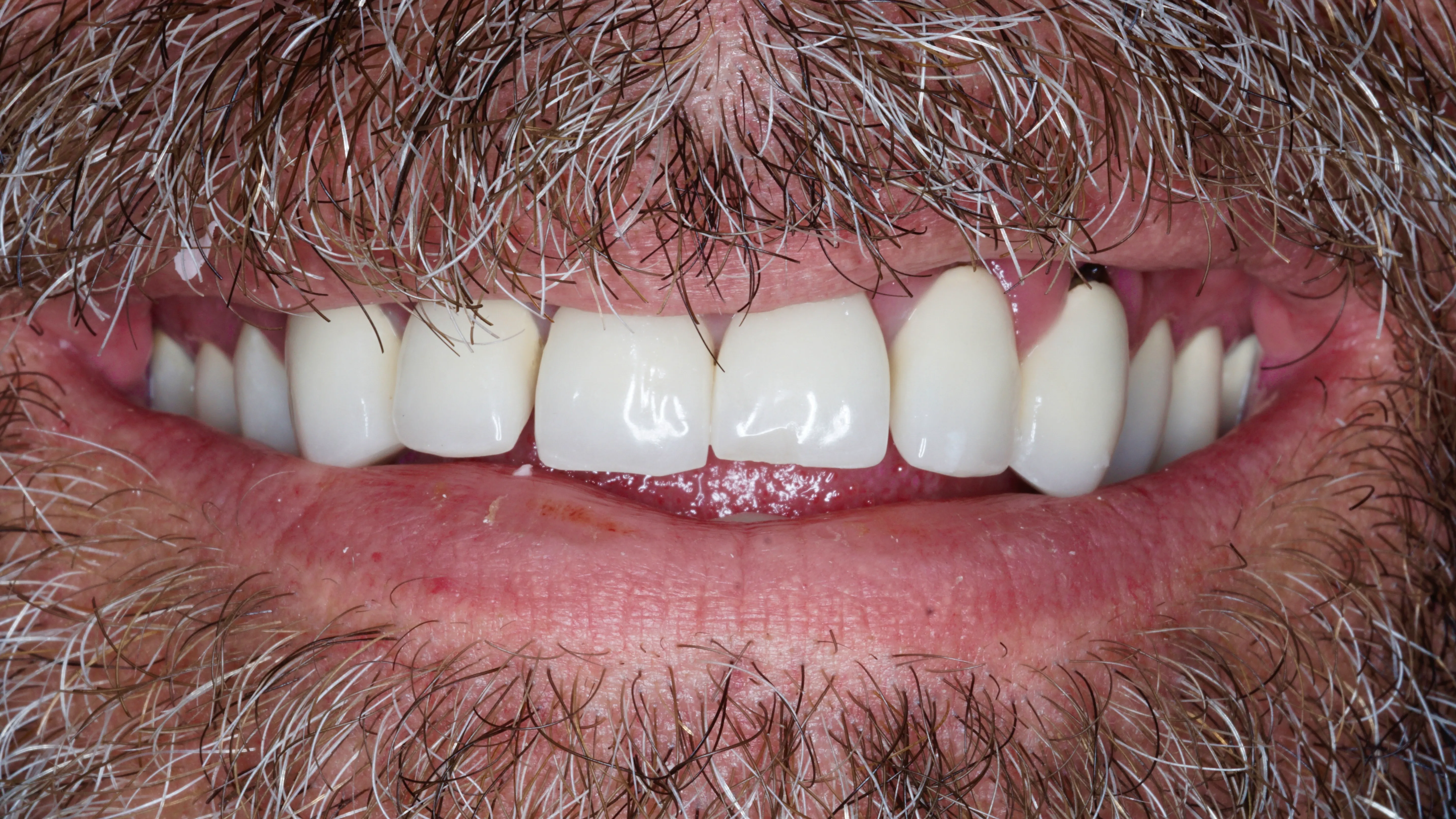
Planned and performed in one place.
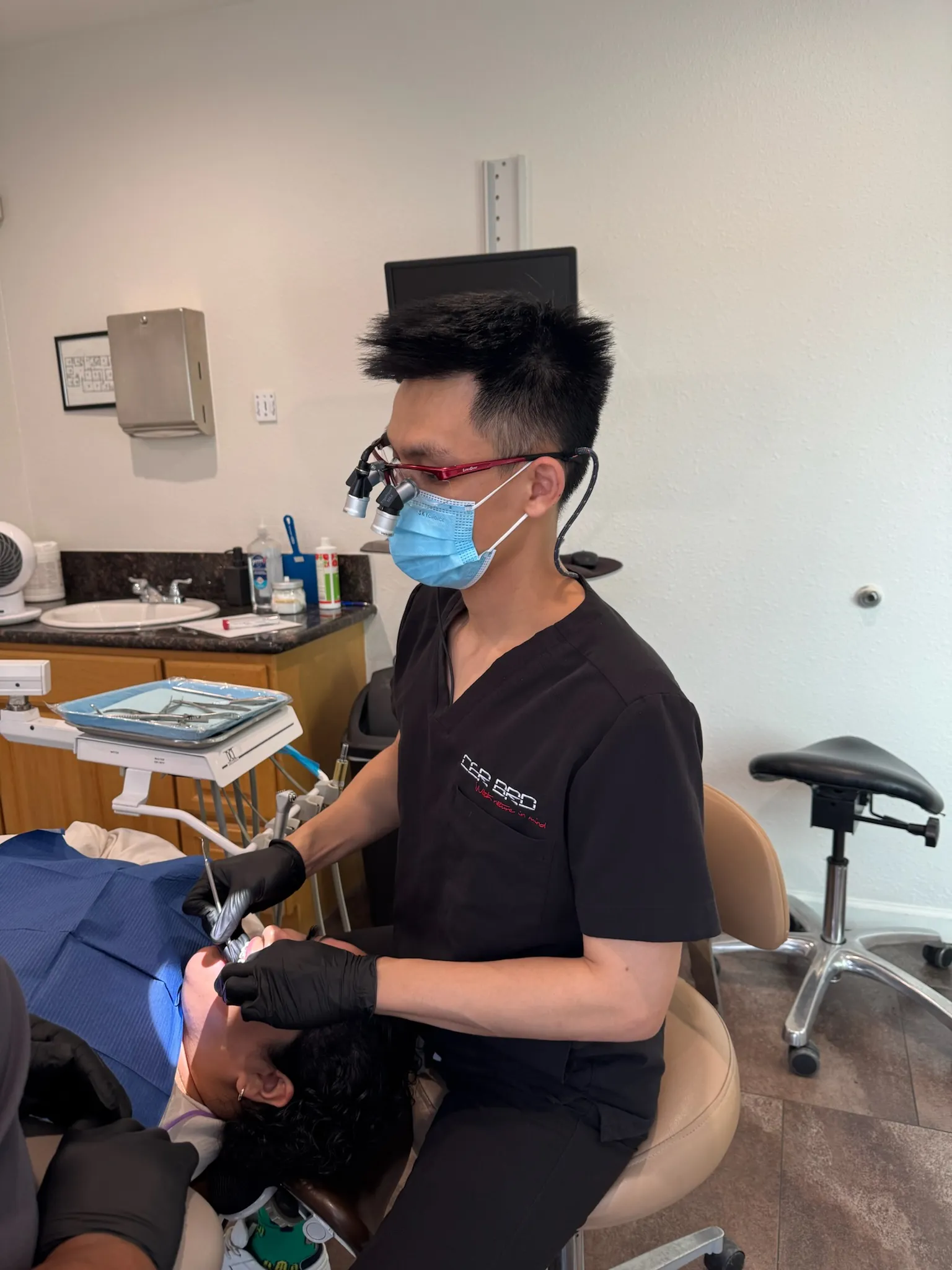
Dr. Bradley is a UCLA-trained, surgically-proficient dentist who plans, places, and restores your treatment himself — so the dentist who knows your mouth is the one doing the work, start to finish.
Surgically trained dentist
Four UCLA degrees and a decade of education and training, plus advanced surgical and implant fellowships and a faculty appointment at the UCLA School of Dentistry.
Everything under one roof
Surgery, implants, and restorations handled in-house — no being referred across town.
Affordable, explained up front
Most major insurance accepted and monthly payment plans available, reviewed with you up front.
Trusted by Huntington Park families
“Dr. Bradley really cares for your teeth — his philosophy is to keep as much of the natural tooth as possible. He explained everything clearly, calmed my nerves, and did the procedure perfectly.”
“The best dentist in town. They really helped me with my fillings — completely pain-free — and made me feel at home through the whole process. Highly recommend.”
“My oral health has improved a lot with Dr. Bradley. He listens to my concerns and explains exactly what he’s doing and why — he even shows me the X-rays. He handles my cleanings and put on my adult braces himself, and the whole team is stellar.”
Oral surgery questions, answered.
Does oral surgery hurt?
The area is fully numbed with local anesthesia, and sedation options are available if you feel anxious, so the procedure itself is comfortable. Some soreness and swelling as you heal are normal and are usually managed with rest and the medication we recommend.
Why have it done here instead of a specialist across town?
Dr. Bradley is a UCLA-trained, surgically-proficient dentist, so the surgery is done right here by the dentist who already knows your mouth. That keeps your care in one place — planning, the procedure, and whatever comes next, like an implant to replace a removed tooth.
How much does oral surgery cost?
It depends on the procedure and how complex it is, so we give you a clear number rather than a guess. Most major dental plans help cover oral surgery, especially when it’s medically necessary, and we offer monthly payment plans. We review your coverage and your exact number at your appointment — no surprises.
What is recovery like?
Recovery is usually straightforward when you follow your aftercare instructions. Expect some swelling and mild discomfort for the first few days, eased with ice packs and pain relievers. Stick to soft foods, stay hydrated, and avoid straws while the area heals.
What happens to the gap after a tooth is removed?
When it makes sense, we preserve the socket at the time of removal so the area is ready for a future implant. We’ll walk you through the options to replace the tooth and keep your bite strong.
Reviewed by Dr. Bradley Salvatore, DDS · Updated July 1, 2026
Explore related care.
Tooth Extraction
A tooth extraction is a procedure where the dentist carefully removes a tooth from its socket in the jawbone. The area is fully numbed with local anesthetic so the experience stays comfortable. It becomes the right choice when other treatments can’t resolve the problem — usually severe decay, advanced gum disease, a tooth broken beyond repair, or crowding that affects your oral health.
Explore →Wisdom Teeth Removal
Wisdom teeth, also called third molars, are the last set of teeth to develop. Because the jaw often doesn’t have enough space for them, they can become impacted — stuck below the gum — which leads to pain, infection, and other problems. Removing them before they cause trouble helps you avoid future complications and keeps your smile healthy.
Explore →Bone & Sinus Grafting
When teeth are lost, the jawbone underneath slowly shrinks — which can make implants harder to place and change the shape of your face. A bone graft adds natural or synthetic bone material to that area to encourage new growth and rebuild strength. A sinus lift is a related procedure for the upper back jaw: it gently raises the sinus membrane and places bone beneath it, where the molars and premolars sit, when the sinus cavity has left too little bone for an implant.
Explore →
Get a surgical consultation.
Most major insurance accepted · monthly payment plans available.
We’re closed right now — book online in seconds and we’ll confirm your appointment.