Catch it
early.
An oral cancer screening is a quick, non-invasive check for early signs of trouble in your mouth — the red or white patches, lumps, or sores that should be looked at. Every checkup with Dr. Bradley includes one, so you stay informed and protected.
- UCLA-trained dental surgeon
- Implants placed & restored in-house
- Most insurance accepted
- Monthly payment plans
- Se habla español
- Award-winning · West LA Dental Society
A simple check that looks for early signs.
An oral cancer screening is a quick, non-invasive exam to detect the early signs of cancerous or precancerous conditions in the mouth. We look closely at the soft tissues for red or white patches, lumps, or sores that haven’t healed — the kind of changes that are easy to treat when found early.
What a screening does for you.
Early detection
Catching abnormalities early greatly improves treatment outcomes — the sooner we see a change, the simpler it is to handle.
Peace of mind
Regular monitoring keeps you informed about your health, so you leave each visit reassured.
Care that can save lives
Routine screenings can identify warning signs before they ever become serious — which is the whole point of checking often.
Signs worth getting checked.
A sore that won’t heal
A mouth sore that lingers for more than a couple of weeks should be looked at.
Unexplained bleeding
Bleeding in the mouth with no clear cause is worth checking.
Trouble swallowing
Difficulty swallowing or a sore throat that won’t go away can be a warning sign.
A few quiet minutes, start to finish.
Visual exam
We carefully check your lips, gums, tongue, and the rest of the mouth for any unusual changes.
Physical exam
Gentle palpation — a light feel — of the neck and jaw to check for lumps you can’t see.
A closer look
When needed, a special light helps highlight any area that deserves a closer examination.
Review & questions
We talk through what we found and answer any questions — no rush, no jargon.
Planned and performed in one place.
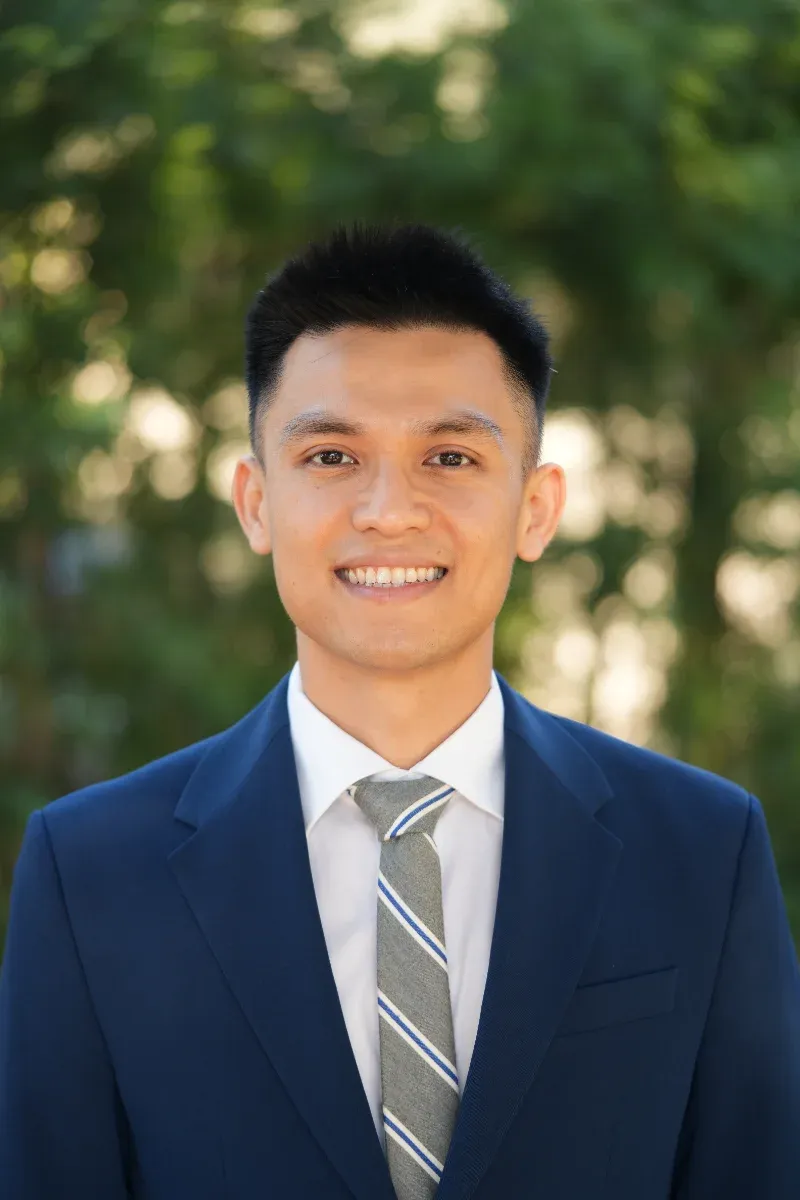
Dr. Bradley is a UCLA-trained, surgically-proficient dentist who plans, places, and restores your treatment himself — so the dentist who knows your mouth is the one doing the work, start to finish.
Surgically trained dentist
Four UCLA degrees and a decade of education and training, plus advanced surgical and implant fellowships and a faculty appointment at the UCLA School of Dentistry.
Everything under one roof
Surgery, implants, and restorations handled in-house — no being referred across town.
Affordable, explained up front
Most major insurance accepted and monthly payment plans available, reviewed with you up front.
Trusted by Huntington Park families
“Dr. Bradley really cares for your teeth — his philosophy is to keep as much of the natural tooth as possible. He explained everything clearly, calmed my nerves, and did the procedure perfectly.”
“The best dentist in town. They really helped me with my fillings — completely pain-free — and made me feel at home through the whole process. Highly recommend.”
“My oral health has improved a lot with Dr. Bradley. He listens to my concerns and explains exactly what he’s doing and why — he even shows me the X-rays. He handles my cleanings and put on my adult braces himself, and the whole team is stellar.”
Oral cancer screening, answered.
What are the benefits of early detection?
Early detection finds precancerous lesions — early tissue changes — when treatment is most effective. That dramatically improves outcomes and helps preserve how your mouth looks and works.
What happens if I skip screenings?
Without regular checks, a problem can advance unnoticed until it causes pain, trouble eating or speaking, or visible sores — and the later it’s found, the more involved the treatment tends to be.
How does a screening fit into a regular visit?
It’s a quick, comfortable part of your routine checkup. We visually inspect the soft tissues and check for any discoloration or lumps — most patients barely notice it’s happening.
Is a screening covered by insurance?
Most major dental plans include oral cancer screening as part of preventive care, and we offer monthly payment plans for any care that follows. We review your options at your appointment — no surprises.
How often should I have one?
Most patients should have an oral cancer screening at least once a year. How often is right for you depends on your individual risk factors, and we’ll guide you.
Reviewed by Dr. Bradley Salvatore, DDS · Updated July 1, 2026
Explore related care.
Exams & X-Rays
A dental exam and X-rays are the diagnostic tools we use to evaluate your oral health. Alongside a hands-on look at your teeth and gums, we use digital X-rays — including panoramic and 3D cone-beam (CBCT) scans when needed — to see what the eye can’t: a clear view of your teeth, gums, and jaw for early detection and careful planning.
Explore →Teeth Cleaning
Even with careful brushing and flossing, plaque hardens into tartar that a toothbrush can’t reach. A professional cleaning removes that buildup from your teeth and gumline, helps prevent cavities and gum disease, and gives us a chance to catch small issues before they grow.
Explore →Fluoride & Sealants
Fluoride is a natural mineral that strengthens teeth much like calcium — it helps reverse the earliest signs of enamel wear, eases sensitivity, and lowers the risk of cavities. Sealants are thin, protective coatings painted onto the chewing surfaces of the back teeth, filling the deep grooves so plaque and food can’t settle in and cause decay. Together they give your smile a head start against cavities.
Explore →
Due for a screening? Let us take a look.
Most major insurance accepted · monthly payment plans available.
We’re closed right now — book online in seconds and we’ll confirm your appointment.