
Teeth that don’t
come out.
A dental implant is a permanent replacement tooth — a small titanium root and a crown that look, feel, and bite like your own. No adhesives, no taking them out at night. Placed and restored by one UCLA-trained, surgically-proficient dentist.
- UCLA-trained dental surgeon
- Implants placed & restored in-house
- Most insurance accepted
- Monthly payment plans
- Se habla español
- Award-winning · West LA Dental Society
Lose a tooth and the ones around it shift, and the jawbone slowly shrinks. An implant stops that — it replaces the whole tooth, root and all, so your bite stays strong and your face keeps its shape.
What a dental implant is.
A dental implant is a small titanium post — an artificial tooth root — that’s placed in the jawbone, where it fuses with the bone to form a strong, stable foundation. On top of it sits a crown, bridge, or denture that replaces the teeth you’ve lost. Because the post is biocompatible, it integrates with your body and supports replacement teeth that look, feel, and work like the ones you grew up with. It’s a long-lasting way to restore teeth lost to injury, gum disease, or decay.
One tooth or many — implants fit.
Single-tooth implant
One implant and one crown replace a missing tooth — without grinding down the healthy teeth next to it.
Multiple implants & bridges
A few implants can carry a bridge to replace several teeth in a row — fixed in place, never removed.
Bone & sinus grafting
Lost bone where a tooth used to be? Grafting rebuilds it so an implant has something solid to anchor to — done in-house.
Signs an implant may help.
You’re missing a single tooth
A single-tooth implant — one post and one crown — replaces it on its own, without affecting the healthy teeth on either side.
You’ve lost several teeth
A few implants can support a bridge or a fixed set of teeth, so you can chew and speak normally again without anything that slides.
Your jaw is changing shape
Bone starts to shrink soon after a tooth is lost, which can shift nearby teeth and change your facial structure. An implant replaces the root and helps preserve the bone.
You’re tired of removable dentures
If a denture shifts, needs adhesive, or makes eating awkward, implants anchor your teeth in place so they stay put.
You’re in good general health
Most healthy adults with enough jawbone are candidates. If bone is thin, grafting done in-house can rebuild a solid base first — we confirm everything with a quick exam and a 3-D scan.
From consultation to a tooth that lasts.
Free consultation
We take a 3-D scan, check the bone, and explain plainly whether an implant is right for you — including insurance and monthly plans.
Placement
Dr. Bradley places the implant himself, with any grafting needed, focused on your comfort the whole way.
Your new tooth
Once it heals, we attach a custom crown color-matched to your smile — and you’re back to eating normally.
We see the whole picture before we begin.
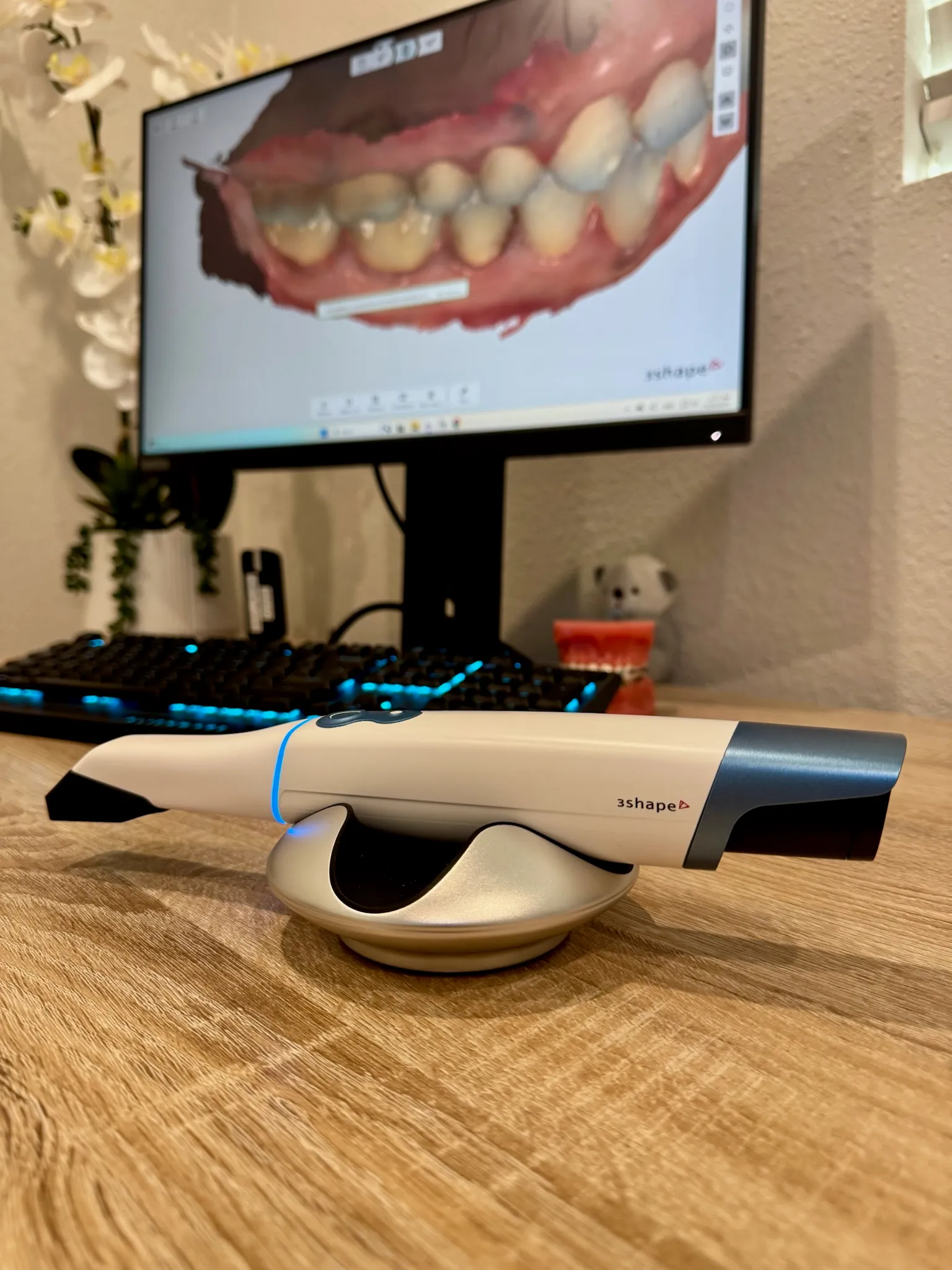
Digital 3-D scanning
A comfortable handheld wand maps your teeth in minutes — no goopy molds — for precise, custom-fit treatment.
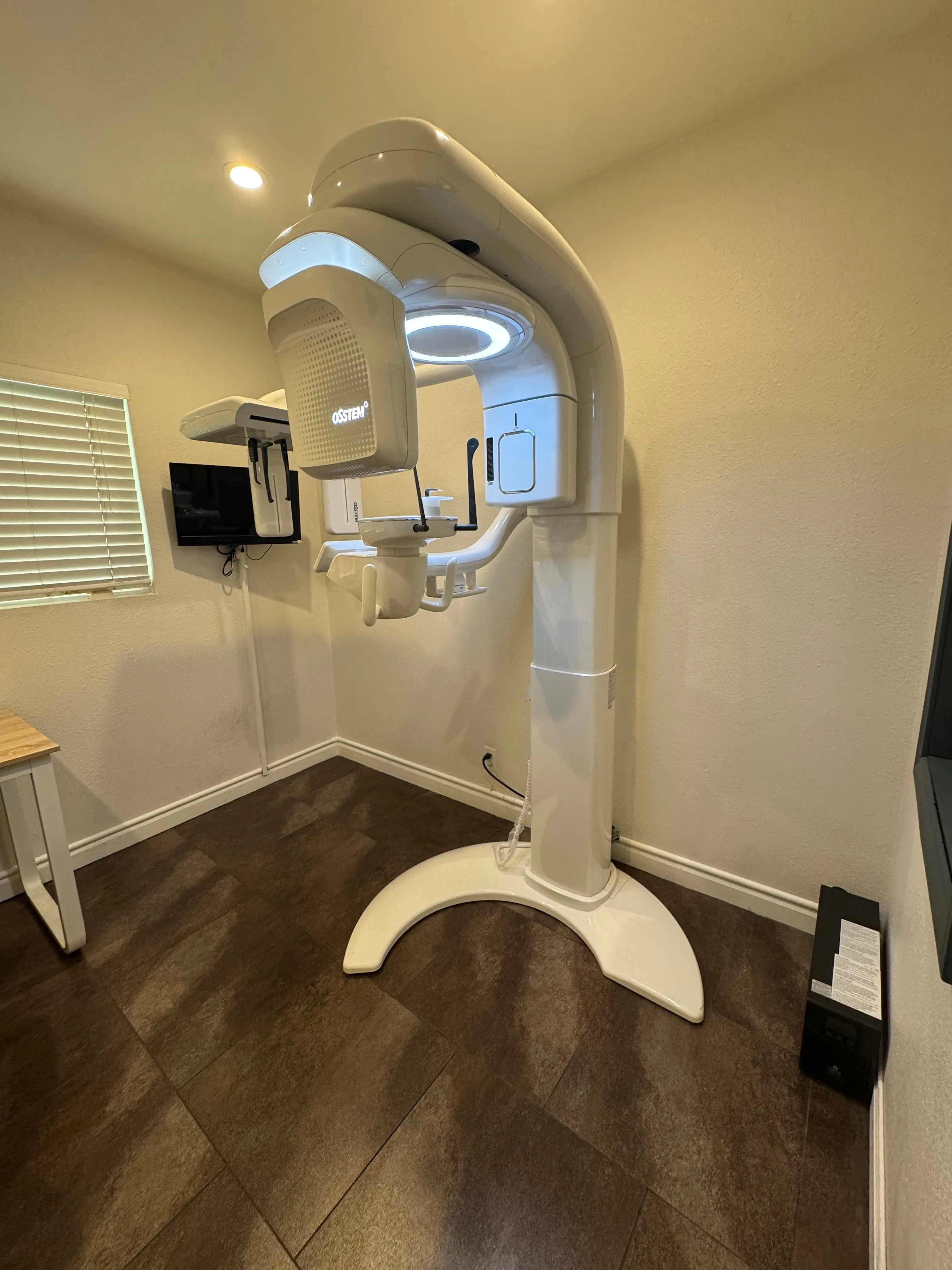
3-D cone-beam imaging (CBCT)
A low-dose 3-D scan shows the bone and nerves, so implants and surgery are planned exactly — before anything is permanent.
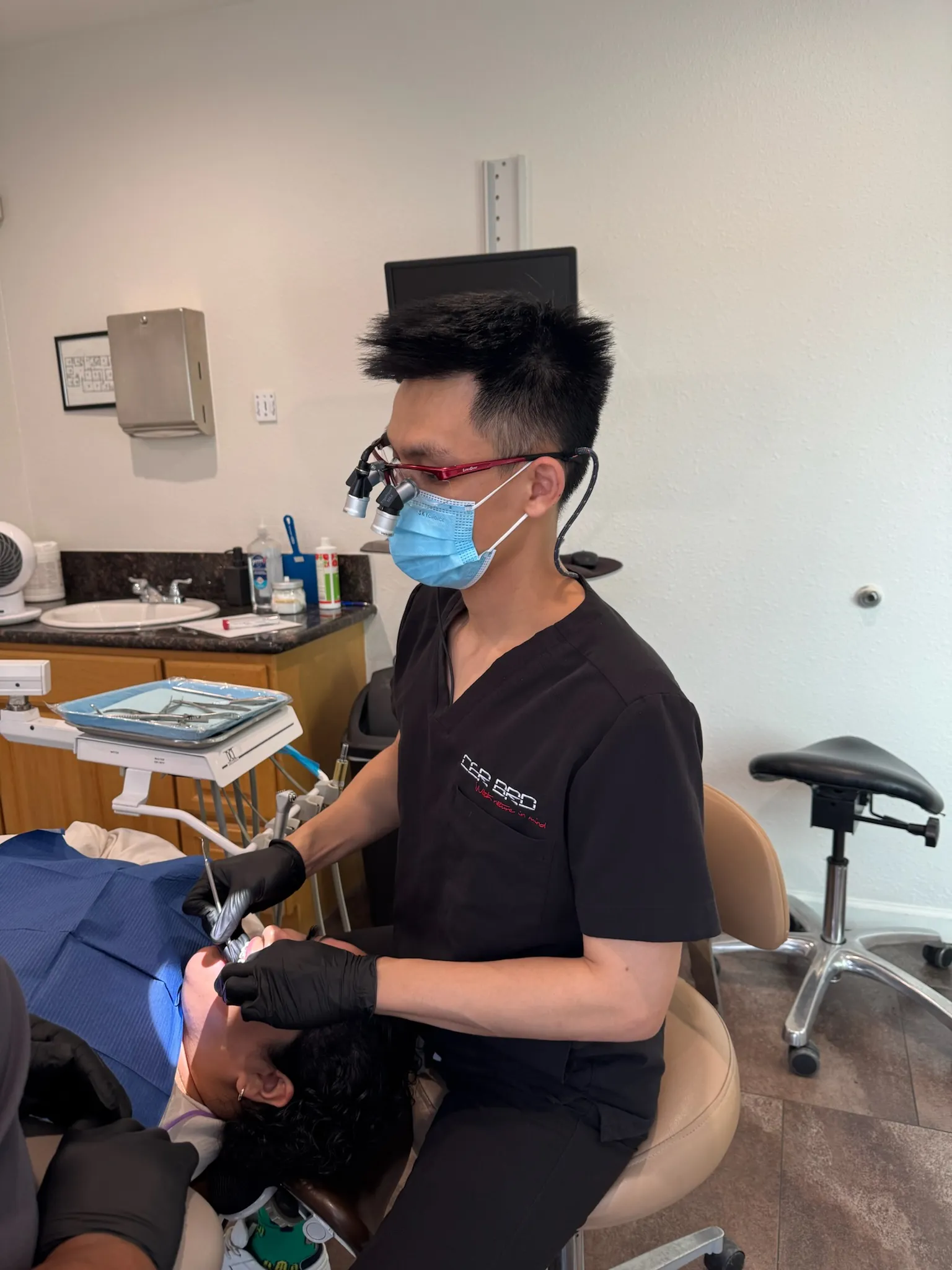
See it for yourself.
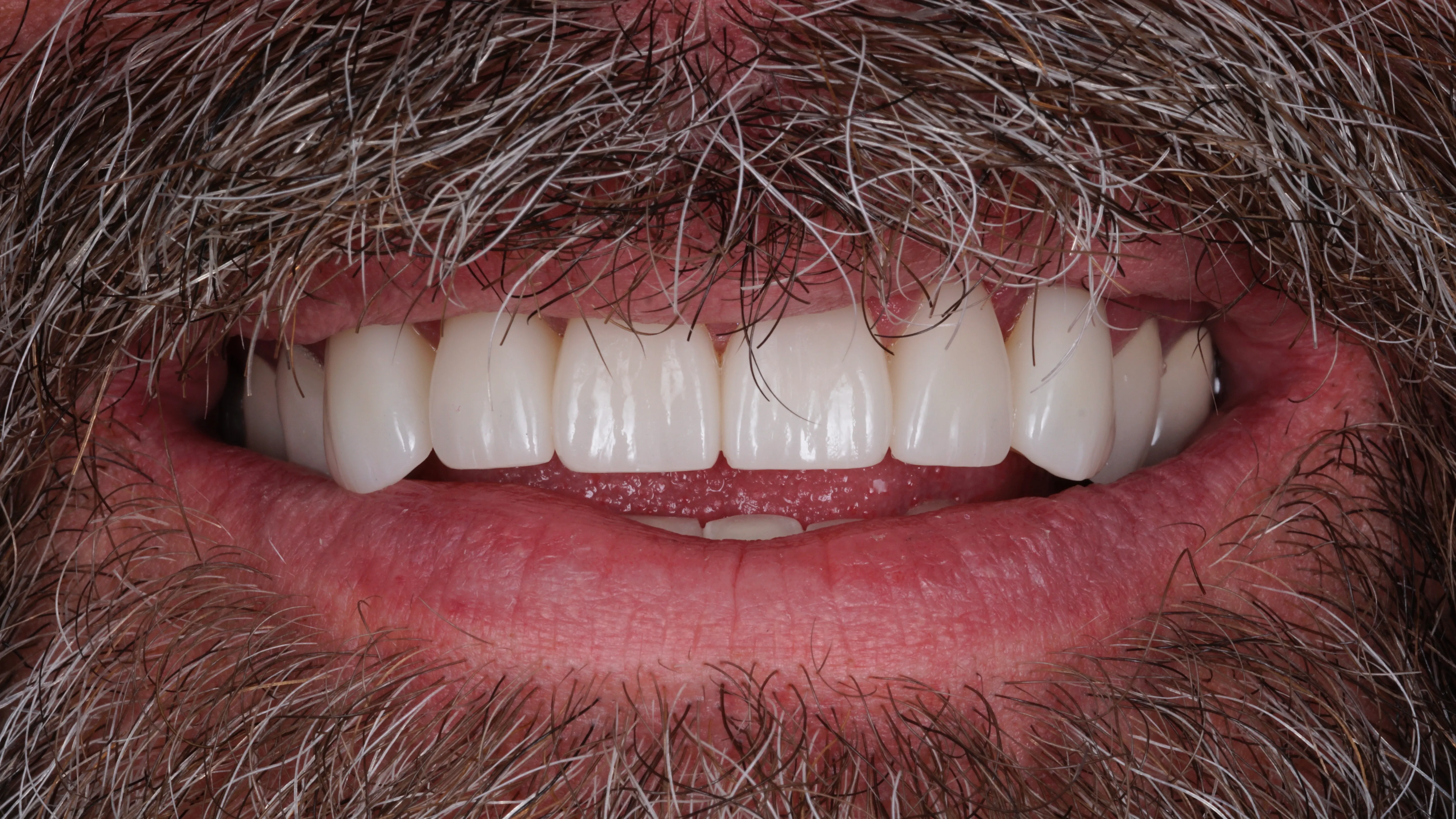
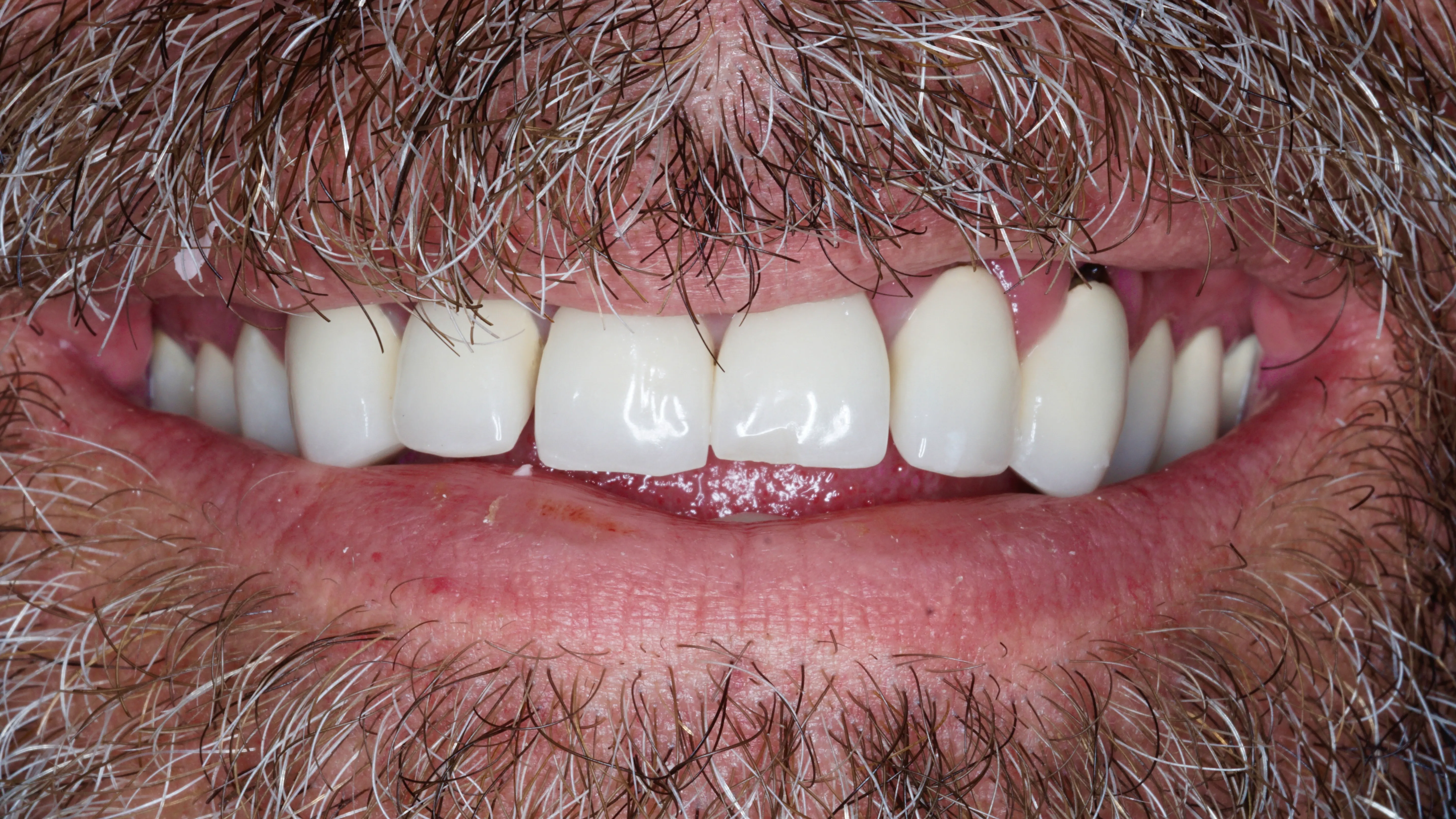
Planned and performed in one place.
Dr. Bradley is a UCLA-trained, surgically-proficient dentist who plans, places, and restores your treatment himself — so the dentist who knows your mouth is the one doing the work, start to finish.
Surgically trained dentist
Four UCLA degrees and a decade of education and training, plus advanced surgical and implant fellowships and a faculty appointment at the UCLA School of Dentistry.
Everything under one roof
Surgery, implants, and restorations handled in-house — no being referred across town.
Affordable, explained up front
Most major insurance accepted and monthly payment plans available, reviewed with you up front.
Trusted by Huntington Park families
“Dr. Bradley really cares for your teeth — his philosophy is to keep as much of the natural tooth as possible. He explained everything clearly, calmed my nerves, and did the procedure perfectly.”
“The best dentist in town. They really helped me with my fillings — completely pain-free — and made me feel at home through the whole process. Highly recommend.”
“My oral health has improved a lot with Dr. Bradley. He listens to my concerns and explains exactly what he’s doing and why — he even shows me the X-rays. He handles my cleanings and put on my adult braces himself, and the whole team is stellar.”
Dental implant questions, answered.
Can I get an implant if I’m only missing one tooth?
Yes — a single missing tooth is one of the most common reasons people choose an implant. A single-tooth implant replaces it without affecting the healthy teeth around it. A quick exam and a 3-D scan of your jaw confirm whether it’s right for you.
Can I get an implant if I’ve lost bone in my jaw?
Usually, yes. Losing bone after a missing tooth is common, and it doesn’t rule out an implant — it just means we may rebuild the area with a bone graft first, done right here in our office. A 3-D scan shows exactly how much bone you have, and we’ll tell you plainly whether you need grafting before the implant goes in.
Do dental implants feel natural?
They’re designed to. Because the implant replaces the root and is topped with a custom crown matched to your smile, most people find it looks, feels, and bites much like a natural tooth.
Does getting an implant hurt?
The placement is done with local anesthesia — and sedation options are available — so you shouldn’t feel pain during the procedure. Any soreness afterward is usually mild and settles with rest and over-the-counter pain relief, and most people are back to their routine quickly.
Can I replace a missing tooth quickly?
We can often get you started right away. After a quick exam and 3-D scan, many patients receive a temporary tooth the same visit — so there’s never a visible gap — while the permanent implant heals over the following months. We’ll map out the fastest safe timeline for your case.
How long does the whole process take?
Most implants take a few months from start to finish, because the post needs time to fuse with the bone before the final crown goes on. After a quick exam and 3-D scan, we’ll map out your timeline — including any grafting — so you know what to expect. Many patients wear a temporary tooth in the meantime, so there’s never a visible gap.
How do I care for my implants?
Treat them like natural teeth: brush twice a day, floss daily, and keep up with your regular checkups and cleanings. The implant itself can’t get a cavity, so the focus is on keeping the surrounding gums and bone healthy. With consistent care, an implant can last for many years.
How long do dental implants last?
With good daily care and regular checkups, a dental implant can last for decades — often a lifetime. The titanium post fuses with your jawbone and can’t get a cavity; the crown on top may eventually need replacing after years of normal wear. Keeping the gums and bone around it healthy is what makes an implant last.
Implants or dentures — which is right for me?
Implants anchor into the jawbone for a fixed, stable result that looks and works like natural teeth and helps preserve bone. Dentures are removable and can shift or need adhesive, and they don’t prevent bone loss over time. We’ll compare your options together at your free consultation.
How much do dental implants cost?
The honest answer is that it depends on your case — how many teeth you’re replacing and whether you need any grafting first. We keep it clear and within reach: most major insurance is accepted, monthly payment plans are available, and we go over your exact number together at your free consultation, with no surprises before anything begins.
Reviewed by Dr. Bradley Salvatore, DDS · Updated July 1, 2026
Explore related care.
All-on-X
If you’ve lost most of your teeth — or you’re tired of a denture that moves — All-on-X gives you back a complete set that stays in. You bite, laugh, and eat the way you would with natural teeth.
Explore →Single-Tooth Implant
A single-tooth implant is a lasting way to fill the gap left by a missing tooth. A titanium post is placed into your jawbone, where it fuses with the bone over time — creating a strong foundation for a crown that blends in with the rest of your smile. The result looks, feels, and works just like a natural tooth.
Explore →Implant-Supported Bridges
When you are missing several teeth next to each other, an implant-supported bridge restores the whole row. A few dental implants — small titanium posts — are placed in the jawbone, and a custom-made bridge attaches to them. Unlike a traditional bridge or partial denture, it stays put: nothing to take out, and no grinding down the healthy teeth beside the gap.
Explore →
See if an implant is right for you.
Most major insurance accepted · monthly payment plans available.
We’re closed right now — book online in seconds and we’ll confirm your appointment.